
What is a safety plan?
If you are living with abuse, a safety plan can help you prepare and stay as safe as possible.
Safety plan
A safety plan is a simple, practical plan that helps you think ahead about what to do if you feel unsafe. It can help you stay safe while living with an abusive partner, when planning to leave, and after leaving the relationship.
Every person's situation is different, so your safety plan should be based on your own needs and circumstances. It is important to make plans carefully and only share them with people you trust.
Find supportStaying safe while living with an abusive partner
If you are not ready or able to leave, there are still things you can do to improve your safety.
Identify safe areas
Think about the safest places in your home. Try to avoid rooms where there may be weapons, such as kitchens or garages, or places where you could become trapped, such as bathrooms.

Create a code word
Choose a secret word or phrase and share it with trusted family members or friends. They will know you need help if you use it.

Plan an escape route
Think about how you could leave your home quickly in an emergency. Practice using doors, windows, or other exits if it is safe to do so.
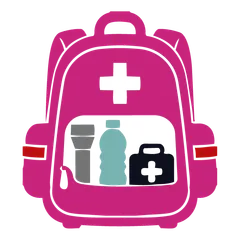
Pack an emergency bag
If it is safe to do so, try to keep important items where you can access them quickly. This may include:
- Money and bank cards
- Medication
- Keys
- Mobile phones
- Important documents
- Identification
- Children's comfort items
If you are unable to take these items, your safety comes first. Keep the bag somewhere safe, such as with a trusted friend or family member.

Keep a record
If it is safe, keep a record of abusive incidents, including dates, times, and details. This information may help if you need support from the police, courts, or domestic abuse services.
Hollie Guard
Planning to leave an abusive relationship
Leaving can be one of the most dangerous times for someone experiencing domestic abuse. Careful planning can help reduce risks.
Choose a safe time
If possible, leave when the abusive person is not at home or when it is safest to do so.
Tell trusted people
If possible, let people you trust know about your plans. Ask them to help keep your information private.
Arrange somewhere safe to stay
Before leaving, think about where you will go. This could be:
- A trusted friend or family member
- A refuge or safe accommodation
- Another secure location
Seek legal protection
You may be able to apply for legal protection, such as a court order, to help keep the abusive person away from you.
Legal and legislationImportant documents and items
Try to gather important documents and keep them somewhere safe.
Identification
- Passport
- Driving licence
- Birth certificates
Legal documents
- Marriage certificate
- Child custody documents
- Court orders
Financial documents
- Bank details
- Insurance documents
- Credit or debit cards
Medical information
- Prescriptions
- Medical records
- Health information
If you cannot collect everything at once, take small steps when it is safe to do so.
Staying safe after leaving
Even after leaving, it is important to think about your ongoing safety.
Change daily routines
If possible, change the routes you take to work, school, or other regular places.
Keep your address private
Avoid sharing your address with anyone who may pass the information on to the abusive person.
Improve home security
Consider:
- Changing locks
- Installing security lights or cameras
- Updating passwords for email, social media, and banking
Tell your workplace or children's school
If you feel comfortable doing so, inform your employer, colleagues, or your children's school about the situation so they can help keep you safe.
Stay safe online
Review your privacy settings and turn off location sharing on phones and social media accounts. Be careful about sharing information that could reveal where you are.
Keeping safe onlineKeep important information safe
Store important phone numbers, key documents and emergency contacts in a secure place, or save copies with someone you trust.
You deserve to feel safe
Creating a safety plan is an important step towards protecting yourself and your loved ones. Whether you are living with domestic abuse, thinking about leaving, or have already left, help is available.
Remember, you deserve a life free from fear, control, and abuse. If you need support, reach out to a trusted person or a domestic abuse service in Lancashire. You are not alone, and help is available.
Call 999