
Domestic abuse in adults
Domestic abuse can happen to anyone. It does not matter how old you are, your gender, ethnicity, income, or background.
Abuse is not always physical. It can include emotional abuse, controlling behaviour, money-related abuse, stalking, harassment, threats, and abuse through phones or social media.
Many people find it hard to talk about abuse. They may feel scared, embarrassed, or worried about what will happen if they tell someone. This is why it is important for family, friends, colleagues, and professionals to know the signs and how to help.






Common signs of domestic abuse
Domestic abuse is not always easy to see. Many people try to hide what is happening because they feel afraid or ashamed.
Physical signs
Someone experiencing abuse may have injuries that are difficult to explain, such as bruises, cuts or burns. They may also appear tired, anxious, withdrawn, or frequently miss work, school or social activities.
Emotional signs
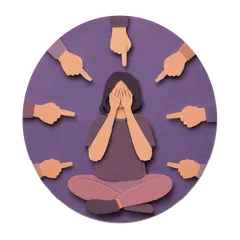
Abuse can have a significant impact on a person's wellbeing. They may seem frightened, nervous, low in mood, lacking in confidence, or unusually quiet. You may notice they behave differently when their partner is present.
Changes in behaviour
A person may begin to withdraw from friends, family or activities they once enjoyed. They might cancel plans regularly, appear isolated, or seem worried about upsetting their partner.
Financial signs
Someone experiencing financial abuse may have little control over their own money. They may struggle to access funds, need permission to make purchases. They could be prevented from working, studying or managing their finances independently.
Signs of controlling behaviour
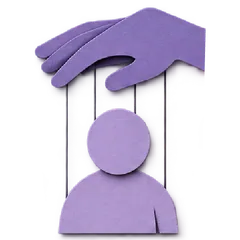
An abusive partner may try to control where someone goes, who they see and who they speak to. This can include monitoring phone usage, isolating them from loved ones, making threats, or criticising them.
Trust your instincts
You may not see clear signs of abuse, but something may not feel right. If you are concerned about someone's safety or wellbeing, trust your instincts. Consider reaching out with support in a safe and non-judgemental way.
Domestic abuse in Lancashire
Domestic abuse affects thousands of people across Lancashire every year. Many people live with abuse for a long time before asking for help. Specialist domestic abuse services in Lancashire can provide:
- Confidential advice
- Safety planning
- Emergency housing support
- Emotional support
- Financial and legal guidance
- Help with police and courts
Getting help early can improve safety and prevent further harm.
Find supportRemember
Domestic abuse is not only physical violence. It can include emotional abuse, controlling behaviour, financial abuse, stalking, harassment, and threats. The signs are not always easy to spot, but recognising them early can help keep people safe.