
Domestic abuse in children
Domestic abuse can happen to anyone. It does not matter how old you are, your gender, ethnicity, income, or background.
Children can be affected by domestic abuse even if they are not the direct victim. Seeing, hearing or living with abuse can have a serious impact on a child's wellbeing, behaviour and development. Every child responds differently, and the signs may not always be obvious.
If you are concerned about a child, it is important to look at changes in their behaviour and wellbeing over time rather than focusing on a single sign.



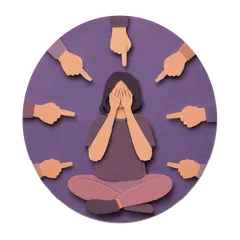

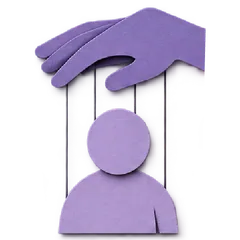

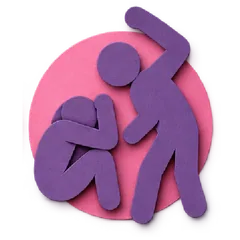
How domestic abuse can affect children
Children living with domestic abuse may feel frightened, confused or unsafe. They may worry about their own safety, the safety of a parent, or what might happen at home. Some children will show obvious signs of distress, while others may try to hide their feelings.
Signs in younger children
Babies and younger children may:
- Be unusually clingy or distressed when separated from a parent
- Show delays in development
- Have sleep difficulties
- Become easily startled by loud voices or sudden noises
- Show increased separation anxiety
Signs in older children
Older children may:
- Spend more time away from home
- Take on caring responsibilities for younger siblings or a parent
- Become secretive about family life
- Engage in risk-taking behaviours
- Struggle with their emotional wellbeing
- Find it difficult to trust others or build healthy relationships
Emotional signs
A child affected by domestic abuse may:
- Seem anxious, fearful or constantly worried
- Become unusually quiet or withdrawn
- Have low confidence or self-esteem
- Be easily upset or emotional
- Show signs of depression or low mood
- Blame themselves for problems at home
Changes in behaviour
You may notice a child:
- Becoming more aggressive or argumentative
- Having frequent tantrums or emotional outbursts
- Becoming withdrawn from friends or family
- Struggling to concentrate or engage in activities
- Showing changes in appetite or eating habits
- Acting younger than their age or regressing in behaviour
Physical signs
Children may:
- Complain of headaches or stomach aches
- Have difficulty sleeping or experience nightmares
- Appear tired or exhausted
- Display stress-related physical symptoms
- Have unexplained injuries or injuries caused while trying to intervene during incidents
What to do if you are concerned
If you are worried about a child, try to create a safe and supportive environment where they feel able to talk. Listen without judgement, reassure them that what is happening is not their fault, and take any concerns seriously.
You do not need proof that abuse is happening to seek advice. If you believe a child is at risk of harm, contact the police, children's social care, or another safeguarding professional immediately.
Advice for schoolsRemember
Children do not have to witness abuse directly to be affected by it. Living in an environment where abuse is present can have a lasting impact on their emotional, physical and mental wellbeing. Recognising the signs early can help children and families access the support they need.